
Rare Bicentennial Quarter Values That May Surprise You
Rare Bicentennial Quarter: How to Spot High-Value Coins
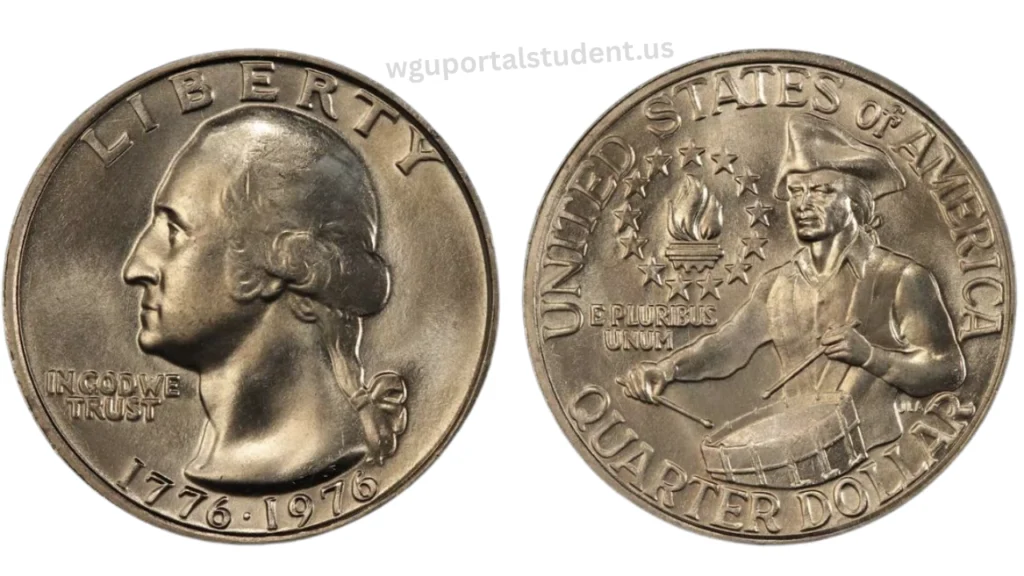
The 1776–1976 Bicentennial Quarter is one of the most recognizable commemorative coins in the United States. Its drummer design still shows up in circulation today, and most examples remain common. A select group, however, stands out because of special composition, specific mint errors, or extremely high grades. These scarce pieces are what collectors look for when discussing rare Bicentennial quarters, and certain varieties can bring impressive prices. Also, check out Emma Michell Accounting: Trusted Chartered Accountant.
This guide breaks down which Bicentennial quarters are genuinely valuable, how to identify the rarest types, and what separates an ordinary coin from one worth setting aside for further inspection.
Understanding the Bicentennial Quarter

Why the Drummer Boy Quarter Exists:
The U.S. Mint released a special quarter to mark the nation’s 200th anniversary. The usual reverse was replaced with a colonial drummer and a victory torch surrounded by stars. Washington’s portrait remained on the obverse with dual dates. All Bicentennial quarters were made in 1975 and 1976, and none carry a 1975 date.
Where These Coins Were Minted:
Three mint facilities produced Bicentennial quarters:
Only San Francisco issued the 40% silver versions.
Which Bicentennial Quarters Are Actually Valuable
Most circulation strikes are still worth face value, but several categories rise above the rest. Rare Bicentennial quarters typically fall into one of these groups:
- Special silver composition
- High-grade business strikes
- Proof issues (especially silver proofs)
- Dramatic mint errors
- Exceptional-condition Denver strikes (MS-68 or higher)
These factors explain why certain pieces sell for far more than typical examples.
Silver Bicentennial Quarters:
San Francisco produced 40% silver Bicentennial quarters in both proof and uncirculated sets. These are among the key collectible types due to their metal content and limited distribution.
Proof Bicentennial Quarters:
Proofs offer sharp details and reflective surfaces. The 1976-S silver proof quarter is especially desirable in high grades, and flawless examples can reach strong auction prices.
High-Grade Business Strikes:
Circulation strikes from Philadelphia and Denver with exceptional preservation stand out. The 1976-D Bicentennial quarter in grades like MS-68 and above is considered one of the more valuable non-silver, non-error examples.
Error Bicentennial Quarters:
Rare Bicentennial quarters often owe their value to dramatic mint errors. These include doubled dies, off-center strikes, missing clad layers, and wrong-planchet strikes. Wrong-planchet examples—such as quarters struck on a dime or nickel blank—are especially prized.
Bicentennial Quarter Value Table
These ranges show typical values, which may change with collector interest and silver prices.
| Type of Bicentennial Quarter | Mint | Metal | Typical Value Range | Higher-Grade or Exceptional Value |
|---|---|---|---|---|
| Standard circulation strike | Philadelphia | Clad | 0.25 to 5 | Up to mid-hundreds in top grades |
| Standard circulation strike | Denver | Clad | 0.25 to 10 | Mid-hundreds for MS-67+ and above |
| Clad proof | San Francisco | Clad | 2 to 15 | Stronger prices for near-perfect proofs |
| Silver uncirculated | San Francisco | 40% silver | 4 to 20 | Several hundred for top-grade pieces |
| Silver proof | San Francisco | 40% silver | 8 to 50 | Hundreds to several thousand when perfect |
| Major mint errors | Various | Clad or silver | 50 to 500 | Up to thousands depending on rarity and condition |
Important Bicentennial Quarter Errors
Error coins attract strong attention because they occur unintentionally and exist in small numbers.
Doubled Die Bicentennial Quarters:
A doubled die features repeated elements in the design. Doubling may appear in lettering, the date, or the details of the drummer. Well-defined doubled dies can bring solid premiums.
Off-Center Strikes:
These show significant misalignment between the planchet and dies. The more off-center the strike, the more appealing the coin—especially when the date remains visible.
Clipped Planchets:
These pieces are missing a curved or straight section of metal along the edge. Clean, dramatic clips are the most desirable.
Missing Clad Layers:
Coins missing a clad layer often display a copper-colored surface on one side. These stand out easily and are less common than many other error types.
Wrong-Planchet Strikes:
These rare coins carry the Bicentennial design on a blank intended for another denomination. A quarter struck on a dime or nickel planchet is especially sought after.
Error Value Reference Table
| Error Type | Description | General Market Range |
|---|---|---|
| Doubled die | Repeated or distorted design elements | 50 to several hundred |
| Off-center | Misaligned strike with missing design | 25 to several hundred |
| Clipped planchet | Missing metal along the rim | 20 to several hundred |
| Missing clad layer | Exposed copper side | 75 to several hundred |
| Wrong-planchet | Struck on wrong metal blank | Several hundred to several thousand |
How to Identify a Potentially Valuable Bicentennial Quarter
Most pieces will be ordinary, but the following checks help find the notable ones.
Check the Edge:
A silver quarter shows a uniform color without the visible copper stripe found on clad coins.
Look for an S Mint Mark:
Silver and proof issues came from San Francisco, so an S mint mark deserves closer examination.
Inspect for Errors:
Doubling, missing design areas, unusual shapes, or a copper-colored surface can signal an error. Magnification helps reveal subtle details.
Evaluate Condition:
Sharp details, minimal marks, and overall strong eye appeal are signs of a coin worth grading.
Why Condition and Grading Matter
Professional grading brings consistency and protects the coin long term. Services like PCGS and NGC assign standardized grades and seal the coin to prevent damage.
Reasons to Consider Grading:
High-grade Bicentennial quarters consistently outperform ungraded examples.
Finding Bicentennial Quarters Today
Many still appear in everyday circulation. Others rest in jars, drawers, or inherited collections. Bank rolls, estate sales, and old sets can turn up interesting finds. Because millions were minted, discoveries still happen, but rare versions take patience and careful searching.
How to Handle and Protect Your Find
Proper handling helps maintain value.
Basic Protection Steps:
- Hold coins by the edges
- Avoid rubbing or polishing
- Use non-PVC holders
- Keep humidity low
- Protect from dust and harsh light
Cleaning lowers collector appeal, so it’s best avoided.
When Is a Bicentennial Quarter Worth Premium Money?
A Bicentennial quarter may carry a premium when it fits one or more of the following:
- Contains silver
- Shows a recognized mint error
- Achieves a high grade from a respected service
- Displays strong strike quality
- Comes from a lower-mintage collector set
Coins combining multiple attractive traits consistently bring the strongest results.
Frequently Asked Questions
How do I know if my Bicentennial quarter is rare?
A rare example usually contains silver, displays a confirmed mint error, or holds a very high grade. Sharp details, an S mint mark, and minimal wear are important signs.
Are all 1776–1976 quarters silver?
No. Only San Francisco produced the silver versions, and they were sold in collector sets.
What is the most valuable Bicentennial quarter?
Perfect-grade silver proofs and dramatic mint errors rank among the highest. Exceptional 1976-D business strikes graded MS-68 or higher can also bring notable premiums.
What is the value of a standard Bicentennial quarter?
Most circulation strikes are worth face value. High-grade examples or coins with strong errors bring more.
Where should I sell a rare Bicentennial quarter?
Auction houses, certified coin dealers, and reputable online platforms specializing in numismatics are the best options. Graded coins attract greater interest.